Chimney Crown Repair in Lexington, KY
Resurfaced, Re-poured, or Rebuilt With the Stack
Limestone Chimney Co treats chimney crown repair in Lexington, KY as the first repair on most stacks, because the crown is the chimney’s own roof and the first part to fail. This page is the repair itself: what the crack means, the two ways a crown is put right, and what a new one has to do.
What a crown does all day, and what the crack undoes
The crown is the sloped concrete lid across the top of a masonry stack, around the flue. Its job is to throw water clear of the brick, with a slope away from the flue and an overhang past the brick with a drip edge underneath. A crack undoes both: water sits on top, finds the crack, and goes straight into the brickwork the crown was built to protect, the most common start of chimney trouble in Fayette County. From there the damage runs down the joints.
The crown coat, for a crown that is still whole
A crown that is sound and bonded to the brick, with hairline shrinkage cracks only, is resurfaced: the cracks are cleaned and filled and a flexible crown coat goes over the whole surface, out to the edge and up around the flue, so the lid sheds water again and flexes with the seasons. It is the maintenance version of crown repair, and it only works on a crown that has not broken up; coating one split clean through is a skin over a lid already letting water in.
Breaking it off and pouring the crown new
A crown split through, crumbling at the edges or lifting from the brick comes off. The top course is cleaned and checked, a form is built, and a new crown is poured: sloped away from the flue, run out past the brick with a drip edge, and separated from the flue tile by a bond break so the tile can expand without cracking the lid. Two findings can change the job once the old crown is off, and you should see both in photos before the work goes on: flue tiles found cracked, which turns a crown job into a liner conversation, and top courses that have lost their bond, which turns it into a partial rebuild. A poured crown belongs inside the March-to-November season.
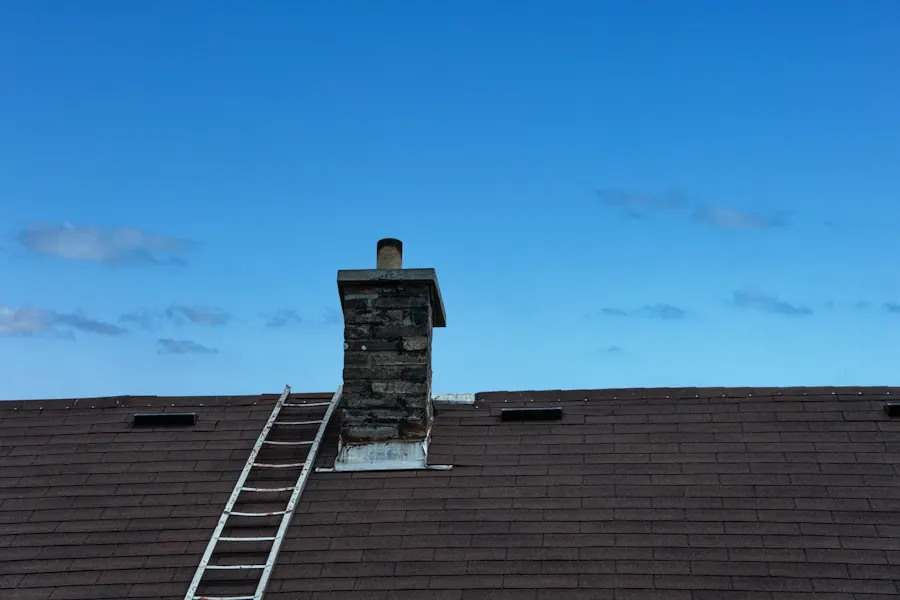
The crown that was only ever a smear of mortar
On many of Lexington’s older stacks the crown was never a crown at all: a thin wash of mortar troweled over the top course, flush with the brick, with no overhang and no slope. Mortar is not made to be a lid. It cracks early and sends the water down the joints below, which is why so many pre-1980 chimneys here show a cracked top and sandy joints together. A mortar wash is not resurfaced; it is removed and replaced with a poured crown.
Cap, flue and stack: what the crown drags into the scope
A crown is rarely scoped alone. The cap is read with it, because a new cap on a cracked crown is a lid over a leak, and the two are quoted together. On the estate stacks around Versailles one crown serves several flues, so one failed crown wets all of them. Every rebuild ends with a new crown, because the old one comes off with the courses beneath it. What sets a crown figure, and why none is printed here, is on the crown repair cost page; the crown’s row sits beside joints, caps and rebuilds on the price table for the whole stack.
What callers ask about the concrete on top
Can a cracked chimney crown be repaired without replacing it?
How do I know if my chimney crown needs to be replaced?
What is a bond break on a chimney crown?
Put a lid on the stack that sheds water.
Call (859) 493-8726, Mon–Fri 8:00am–5:30pm, or ask for a crown visit — the crack photographed, the repair named, the figure in writing.