Chimney Inspections in Lexington
Chimney inspections in Lexington, KY should come with camera footage and a written report, whether the house is being bought, sold or simply lit for the first time in years. An inspection is the cheapest item on the chimney menu and the one that saves owners the most money, because it turns "the chimney" from a mystery into a short list with priorities. Here's what to expect from the visit, why closings lean on it, and where the three levels are set out in full.
Three levels, one sentence
Chimney inspections come in three levels — Level 1 is the look-over of everything the eye reaches, Level 2 adds a camera run the full height of the flue and is the one a sale calls for, Level 3 opens a concealed area to confirm a serious finding — and what triggers each level, and what only the camera sees, is set out on its own page.
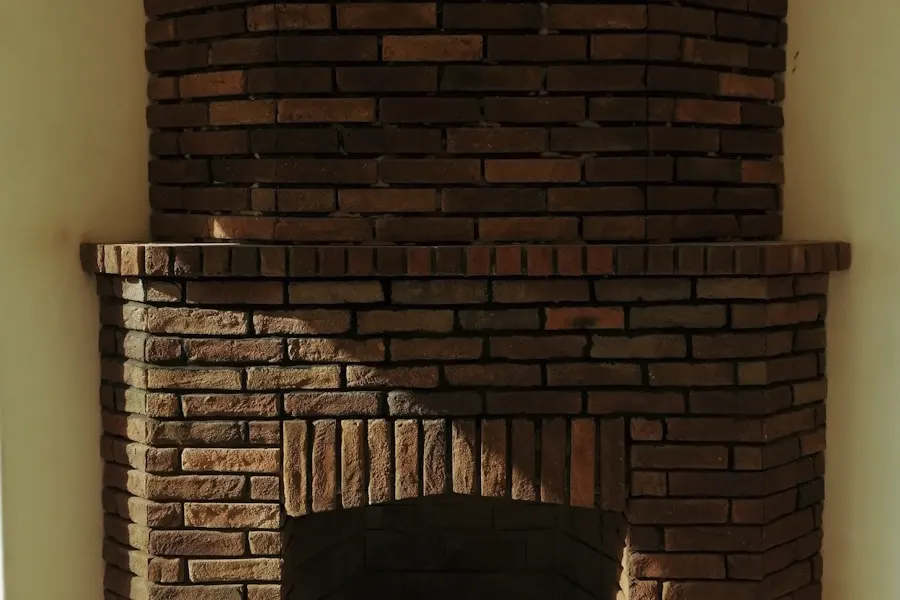
The real-estate inspection, year-round
General home inspectors do good work, but nearly every home inspection report contains some version of one sentence: "recommend evaluation by a qualified chimney professional." That's not a dodge — flue interiors genuinely aren't visible without a camera, and a chimney is the one system in the house the seller may never have used. Transaction inspections run year-round, because closing calendars don't wait, and the work doesn't stop for winter the way masonry season does.
For buyers, a Level 2 before closing turns an unknown into a negotiating line with numbers attached. For sellers, the same inspection done early keeps a cracked flue from surfacing during someone else's due diligence. And for landlords in Richmond, it's documentation: proof the venting was inspected before a tenant lit the first fire of the season.
Moments that call for a chimney inspection
Most owners book a chimney inspection in Lexington for one of a handful of reasons. A house changing hands is the obvious one. So is a fireplace nobody has lit in years, where leaves, a nest or a slipped tile may sit in the flue unseen. A new wood insert, gas logs or furnace venting into an old flue counts too. A water stain beside the chimney breast, or smoke rolling into the room instead of up, is a reason to look before the next fire.
What the report should cover
- Flue interior, with video stills — tile condition, joint gaps, creosote level, liner presence and type.
- Crown, cap, and flashing, photographed from the roof, since these three start most of the water problems that end in a repair.
- Exterior masonry — joint condition, spalling, staining, movement cracks, with each finding located on the stack.
- Firebox, damper, and smoke chamber condition and clearances — a damper stuck shut or rusted open is read here first.
- A prioritized list: what's a hazard now, what's a next-year item, what's cosmetic — each with a price range attached so you can plan instead of react.
Findings feed straight into the fix: masonry issues route to repair and rebuild work, flue issues to stainless relining, and plenty of inspections end with "you're fine — burn away." Ask for that last one in writing too.
Preparing the house for the inspection visit
Let the fireplace go cold beforehand, clear the hearth, and pull furniture back from the opening. If the same stack also vents a furnace or water heater, keep the basement or utility room reachable, along with any cleanout door at the base. Then mention what you have noticed and when: a leak that shows only in certain storms, a draft that fails on still days, a smell that comes and goes. Those notes tell the person on the roof where to look hardest. The usual causes behind that last one are set out under why a chimney smells.
What owners ask before a chimney inspection
Does a gas fireplace still need a chimney inspection?
Should the fireplace be cold for the visit?
What happens after the report arrives?
Know what's up there before you sign — or strike a match.
Inspections across Lexington, Georgetown, Nicholasville, Versailles, Winchester & Richmond — scheduled around closing dates when there is one.
Call (859) 493-8726